

How Do Allergy Shots Work, and How Long Do They Take?
A complete guide to allergy immunotherapy, how allergy shots work, treatment timelines, benefits, side effects, and who may be a good candidate for long-term allergy treatment.
Millions of people across New York experience seasonal allergies, pet allergies, dust mite allergies, and mold allergies that affect their daily lives. While medications can temporarily relieve symptoms, they don’t address the underlying cause of allergies.
If you’ve been wondering how do allergy shots work, you’re not alone. Allergy shots—also known as allergy immunotherapy—are one of the most effective long-term treatments for allergic conditions. They gradually train your immune system to become less sensitive to allergens, reducing symptoms over time.
In this guide, we’ll explain how allergy shots work, how long treatment takes, who is a good candidate, and what patients in New York can expect during the process.
What Are Allergy Shots?
Allergy shots are a form of immunotherapy designed to decrease your body’s allergic response to specific allergens.
Instead of simply treating symptoms, allergy shots help your immune system develop tolerance to substances such as:
- Tree pollen
- Grass pollen
- Ragweed
- Dust mites
- Mold spores
- Pet dander
- Certain insect stings
This makes allergy shots one of the few treatments that can actually modify the course of allergic disease.
How Do Allergy Shots Work?
When you’re allergic to something, your immune system mistakenly identifies it as harmful and produces antibodies that trigger allergic reactions.
Allergy shots work by introducing very small, carefully controlled amounts of the allergen into your body.
Over time, your immune system:
- Becomes less sensitive to the allergen
- Produces fewer allergy-triggering antibodies
- Builds long-term tolerance
- Reduces inflammation
- Experiences fewer allergy symptoms
Think of allergy shots as a gradual “training program” for your immune system rather than a quick fix.
The Two Phases of Allergy Shot Treatment
Build-Up Phase
During the build-up phase:
- Injections are usually given 1–2 times per week.
- The allergen dose gradually increases.
- This phase typically lasts 3 to 6 months.
The goal is to safely help your immune system adapt to increasing allergen exposure.
Maintenance Phase
Once the effective dose is reached:
- Shots are usually given every 2–4 weeks.
- Symptoms continue to improve over time.
- Treatment typically continues for 3 to 5 years.
Many patients experience long-lasting allergy relief even after completing treatment.
How Long Does It Take to See Results?
One of the most common questions patients ask is: “How long do allergy shots take to work?”
While every patient is different, many people notice improvement according to the following general timeline:
| Timeline | What to Expect |
|---|---|
| 3–6 months | Early symptom improvement |
| 6–12 months | Noticeable reduction in allergy symptoms |
| 1–2 years | Significant improvement |
| 3–5 years | Long-term allergy control |
Patients who complete the full treatment course often enjoy benefits that continue for years.
Which Allergies Can Allergy Shots Treat?
Allergy immunotherapy is commonly recommended for several environmental and insect allergies.
Seasonal Allergies
- Tree pollen
- Grass pollen
- Ragweed
Indoor Allergies
- Dust mites
- Mold
- Pet dander
Insect Sting Allergies
Allergy shots can also help reduce the risk of severe allergic reactions to bee and wasp stings.
Who Is a Good Candidate for Allergy Shots?
You may benefit from allergy shots if you:
- Experience moderate to severe allergies
- Have symptoms throughout the year
- Don’t get enough relief from medications
- Want a long-term treatment option
- Have allergic asthma triggered by environmental allergens
- Wish to reduce long-term dependence on allergy medications
An allergy specialist will perform testing to determine whether immunotherapy is appropriate for your condition.
What Happens During an Allergy Shot Appointment?
A typical appointment is straightforward:
- Review your symptoms and health status.
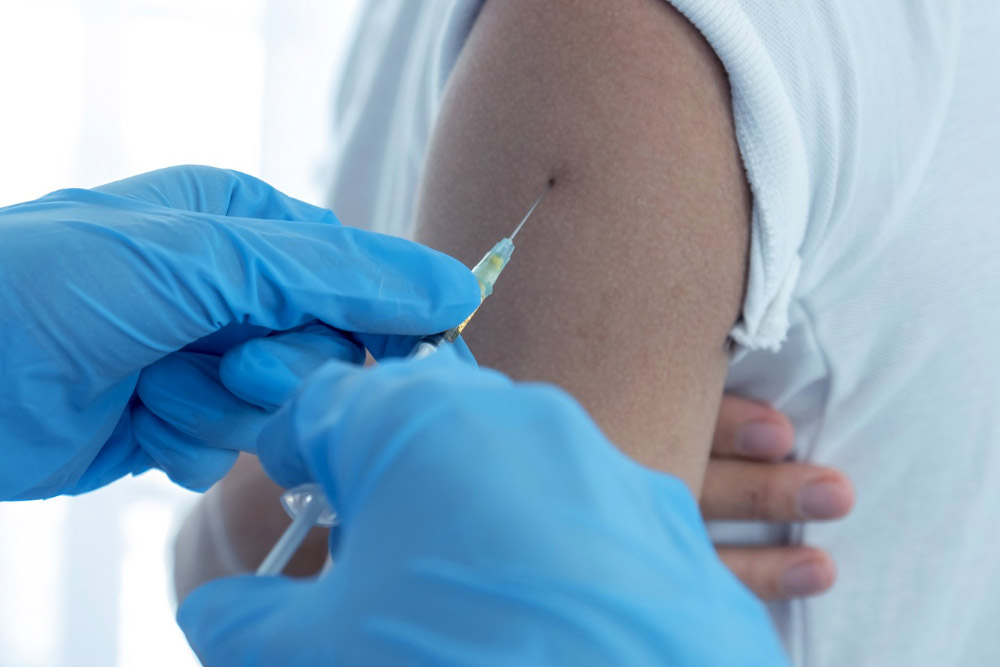
- Receive the allergy injection in the upper arm.
- Remain in the clinic for about 30 minutes so the medical team can monitor for any reactions.
- Return to normal daily activities unless advised otherwise.
Most appointments are quick and fit easily into busy schedules.
Are Allergy Shots Safe?
When administered by trained allergy specialists, allergy shots are generally safe.
Common mild side effects include:
- Redness at the injection site
- Mild swelling
- Temporary itching
Rarely, more serious allergic reactions can occur, which is why patients are monitored after each injection.
Following your allergist’s instructions helps ensure treatment remains both safe and effective.
Benefits of Allergy Shots
Many New York patients choose allergy immunotherapy because it offers long-term advantages, including:
- Long-lasting symptom relief
- Reduced need for allergy medications
- Better control of seasonal allergies
- Improved quality of life
- Reduced allergy-related asthma symptoms
- Potential prevention of new allergies from developing
- Fewer missed work or school days
Allergy Shots vs Allergy Medication
| Allergy Medication | Allergy Shots |
|---|---|
| Treat symptoms | Treat the underlying immune response |
| Temporary relief | Long-term improvement |
| Taken daily during allergy season | Scheduled injections over several years |
| Symptoms return after stopping | Benefits may continue after treatment ends |
Allergy Shots in New York: Why Early Treatment Matters
New York experiences a long allergy season, with tree pollen in spring, grass pollen in summer, and ragweed in late summer and fall. Indoor allergens such as dust mites and mold can also trigger symptoms year-round.
Starting allergy immunotherapy early can help reduce the impact of these allergens and improve long-term symptom control. Consulting an experienced allergy specialist allows you to create a personalized treatment plan based on your specific triggers and health needs.
Frequently Asked Questions
Do allergy shots cure allergies?
They don’t permanently cure allergies, but they can significantly reduce symptoms and provide long-lasting relief after treatment is completed.
Are allergy shots painful?
Most patients experience only mild discomfort, similar to a routine vaccination.
Can children receive allergy shots?
Yes. Many children with persistent allergies may benefit from allergy immunotherapy after evaluation by an allergy specialist.
Will I still need allergy medicine?
Many patients gradually reduce their allergy medication use as immunotherapy becomes effective, although this varies by individual.
Is allergy immunotherapy covered by insurance?
Many insurance plans provide coverage for allergy testing and immunotherapy. Coverage varies by provider, so it’s best to confirm your specific benefits.
Take the First Step Toward Lasting Allergy Relief
If persistent allergies are interfering with your daily life, allergy shots may offer a long-term solution rather than temporary symptom relief. An experienced allergy specialist can evaluate your condition, identify your allergy triggers, and develop a personalized immunotherapy plan to help you breathe easier throughout the year.
Whether you’re dealing with seasonal pollen, dust mites, pet allergies, or year-round allergic symptoms in New York, early treatment can make a meaningful difference in your quality of life.
Make an Appointment
Connect with Dr. Patel and start your journey toward better allergy control. Personalized allergy evaluation and treatment options are available at GP Allergy.
Schedule an Appointment