

Eczema Doctor NJ
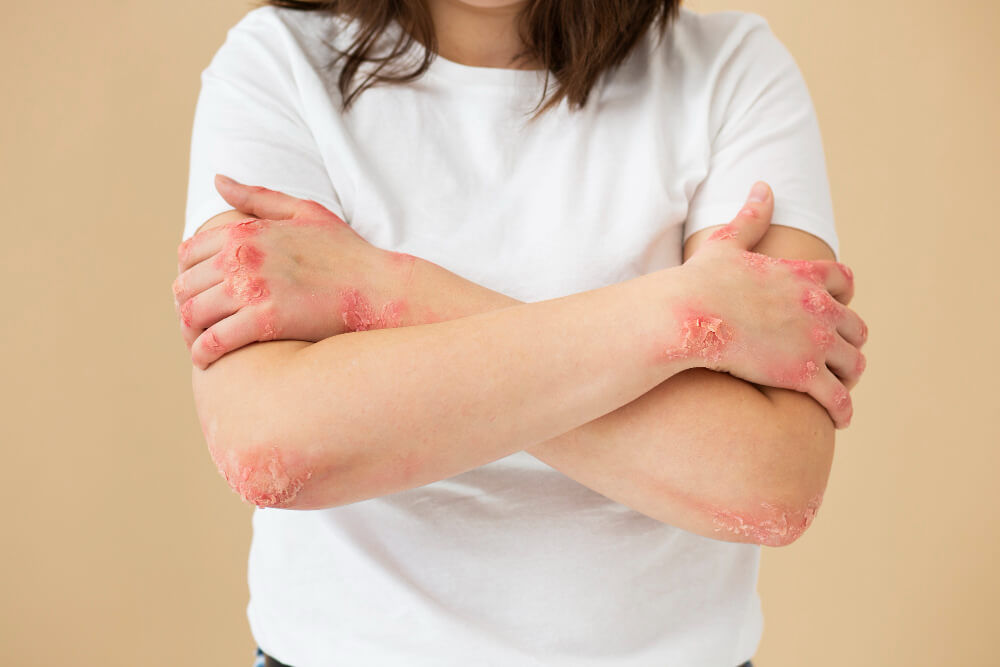
Eczema & Contact Dermatitis Care in New Jersey
- Symptoms: Watery/itchy eyes, sneezing, nasal congestion, post-nasal drip
- Treatments: Allergen immunotherapy (allergy shots), sublingual immunotherapy
- Diagnosis: Skin prick testing (allergy skin testing)
What Is Eczema?
Eczema is a common skin condition that can cause dryness, itching, redness, irritation, and recurring flare-ups. Symptoms may become worse due to allergens, weather changes, soaps, fabrics, foods, or environmental triggers.
What Is Contact Dermatitis?
When Should You See an Eczema Doctor?
Eczema & Contact Dermatitis Evaluation
Precise Diagnosis with Allergy Testing
Accurate diagnosis is key to effective allergy relief. At our NJ office, we utilize skin prick testing (also called allergy skin testing) to identify the specific allergens causing your symptoms. This quick and reliable test is the foundation of a personalized allergy treatment plan.
Treatment Options
Treatment may include trigger avoidance, skin care guidance, prescription or non-prescription medication recommendations, allergy management, and follow-up care to reduce flare-ups.
Why Choose GP Allergy for Skin Allergy Care
FAQs
Allergies can contribute to eczema flare-ups in some patients. Environmental allergens, food
triggers, soaps, fragrances, or contact irritants may worsen symptoms.
Eczema is a chronic inflammatory skin condition, while contact dermatitis usually happens after
the skin touches an allergen or irritant. Both can cause itching, redness, and irritation.
You should see a doctor if eczema is severe, recurring, painful, spreading, affecting sleep, or not
improving with regular skin care.
Patch testing may help identify substances that trigger allergic contact dermatitis. This can guide
avoidance and treatment planning.
GP Allergy supports allergy and skin-related care for both adults and children, depending on the
patient’s symptoms and evaluation needs.